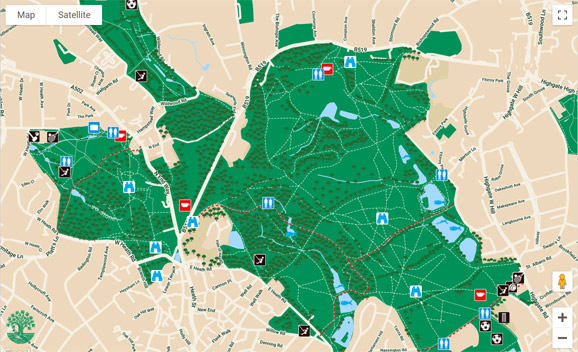
The largest employer in Hampstead is the Royal Free Hospital, the first in the UK to train female doctors.
Read MoreAuthor Archives: paul_admin
Did you know? – Protestant dissenters on Rosslyn Hill
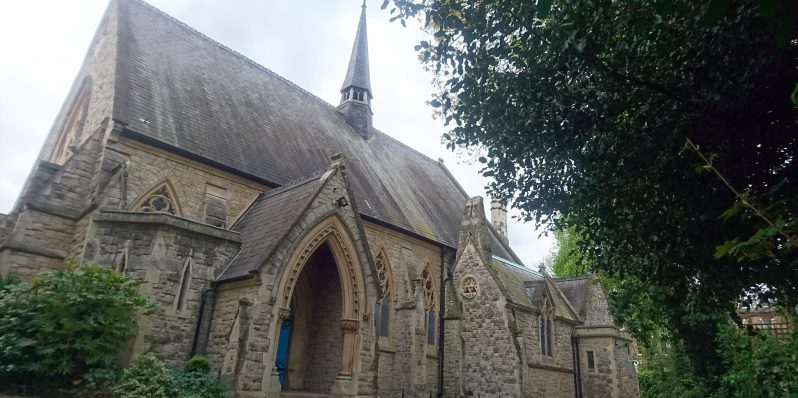
There were other reasons for coming to Hampstead in the late 17th century other than for healthy air and water. Protestant dissenters were forbidden to preach within 5 miles of Charing Cross, but in distant Hampstead they found sympathy. They registered a meeting place on Rosslyn Hill in 1691 and on that same site still …
Did you know? – Pitt’s garden gate
The grand gate to the garden of the house to which Prime Minister William Pitt retreated during his mental breakdown, stands alone, half-strangled by a gigantic beech, hidden deep in the woods of the Heath.
Read MoreDid you know? – Saxon ditch
You can still walk along the Saxon ditch mentioned in King Ethelred the Unready’s grant of Hampstead to the monastery of St. Peter’s Westminster in AD 986
Read MoreDid you know? – The Bagshot Sands
The Bagshot Sands at the summit of the Heath were laid down by a vast river about 40 million years ago.
Read MoreDid you know? – Whitestone pond flagstaff
The flagstaff by Whitestone Pond stands at 440ft above sea level, Inner London’s highest point and the site of a beacon established to provide warning of the approach of the Spanish Armada in 1588.
Read MoreDid you know? – Wildlife on the Heath
The Heath is home to 15 species of dragonfly and at least seven species of bats: Noctule, Serotine, Natterer’s, Duabenton’s, Brown Long-eared, Soprano and Common Pipistrelle. It is also home to breeding grass snakes.
Read MoreDid you know? – Heath visitors
Around nine million visits to the Heath are made each year.
Read MoreDid you know? – Natural bogs
One of London’s few natural bogs can be found on West Heath.
Read More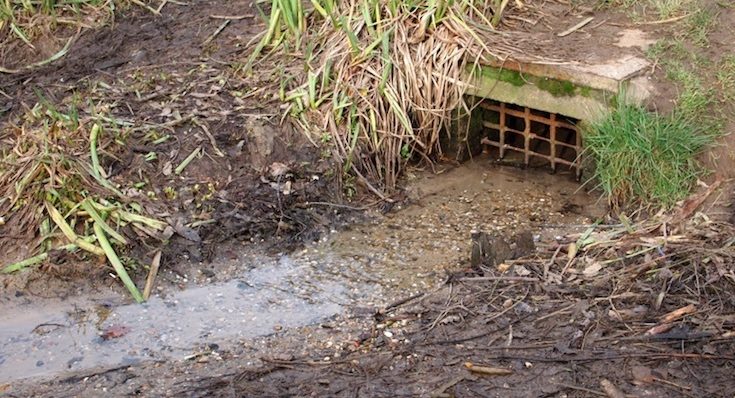
Did you know? – London’s rivers
Four of London’s rivers rise on the Heath: The Westbourne, the Tyburn, the Brent and the Fleet.
Read More